Step 1: Start with MSF training
If you’re in the United States, the Motorcycle Safety Foundation is one of the best places to begin.
If you’re moto-curious but not sure whether riding is actually for you, MSF offers a two-hour experience that introduces basic motorcycle controls and the personal habits needed to become a safer rider. They provide motorcycles, so it is a lower-pressure way to find out whether the idea you have about riding matches the reality.
MSF also offers a broader training roadmap for new, returning, and experienced riders, including the Basic RiderCourse, three-wheel training, skill practice, and advanced rider courses.
Take a class before buying a motorcycle if possible. You may discover what kind of bike actually feels right before spending real money.
Step 2: Buy real gear
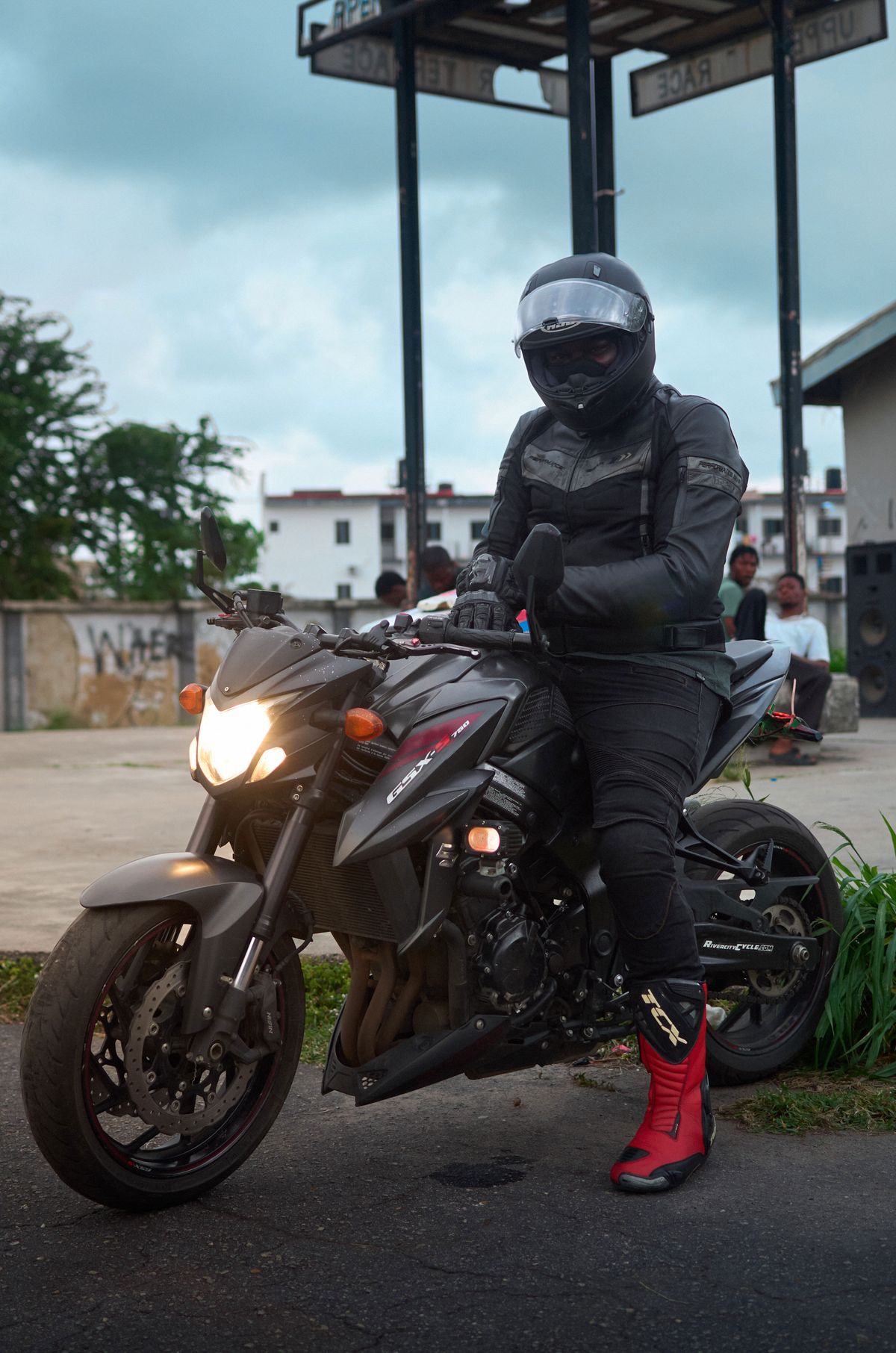
Minimum recommendation: full-face helmet, gloves, motorcycle jacket, over-the-ankle boots, and actual riding pants or armored riding jeans.
Road rash is real. The pavement does not care how confident you feel.
Step 3: Don’t buy too much bike
This is probably the single biggest beginner mistake. A motorcycle that scares you is not “future proof.” It’s harder to learn on.
Most new riders are better off on manageable 300cc-500cc sport/naked bikes, lightweight standards, reasonable middleweight cruisers, dual sports, or small adventure bikes.
Need more detail? Read the first bike guide before you start shopping.
Step 4: Practice somewhere boring
Parking lots save lives. Practice emergency braking, low-speed turns, figure 8s, clutch control, swerving, and starting from stops smoothly.
Step 5: Ignore the ego
Ride your own ride. Learn at your own pace. Stay humble. Stay alert. That mindset will take you much farther than ego ever will.